Fotona 4D Laser Facial (TimeWalker) for Fine Lines and Wrinkles

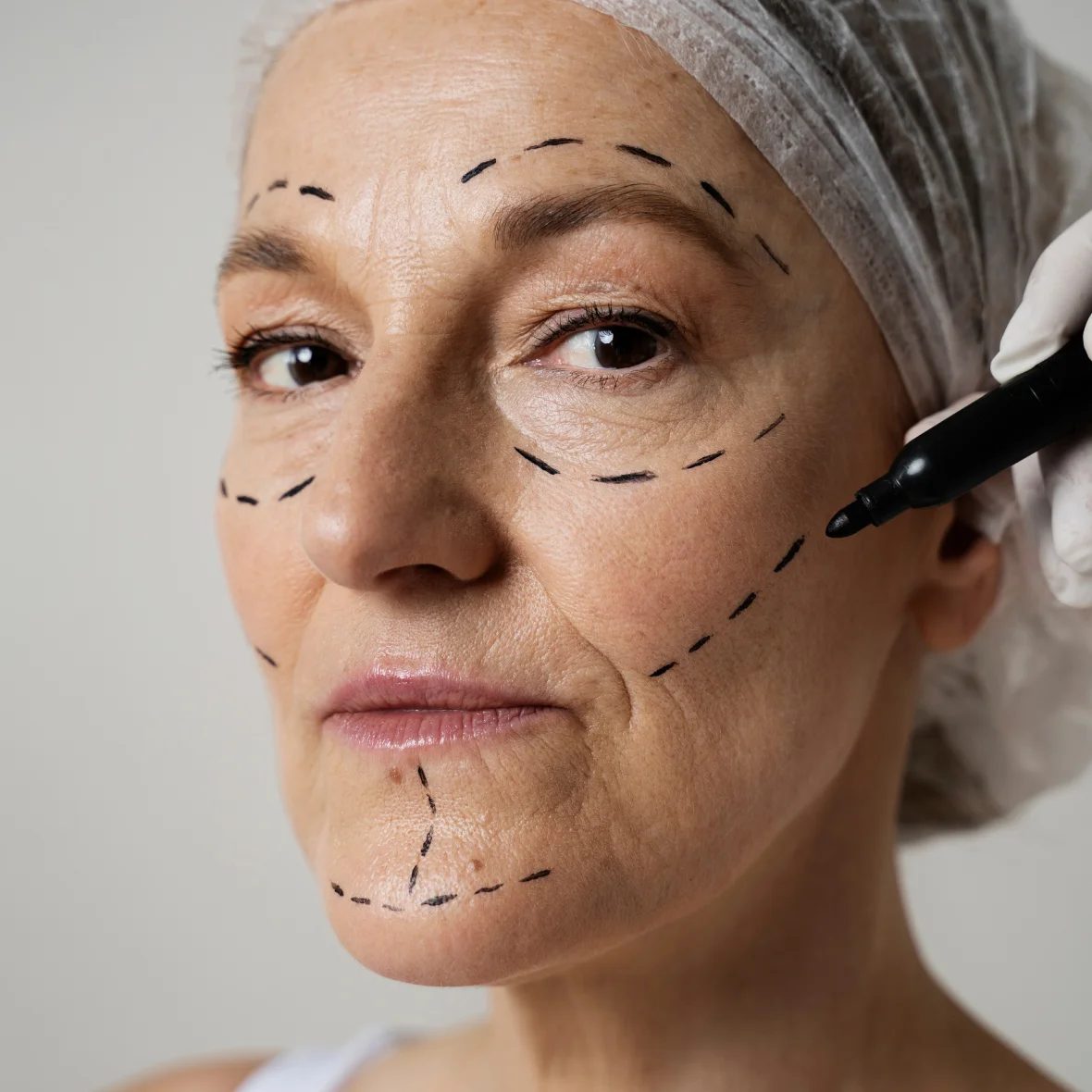
Fine lines rarely arrive all at once. More often, they show up in the places people notice first, around the mouth, beside the eyes, across the forehead, and then deepen gradually as collagen production slows, sun exposure catches up, and repetitive facial movement leaves its mark. Many patients are not looking for a dramatic reset. They want skin that looks fresher, smoother, and more rested without the obvious downtime of more aggressive resurfacing. That is where the Fotona 4D Laser Facial (TimeWalker) has earned real attention.
This treatment sits in a useful middle ground. It is more active than a facial, more strategic than a one-size-fits-all skin tightening session, and often easier to tolerate than older fully ablative laser approaches. It was designed to address signs of aging through a multi-layer treatment plan, working from inside the mouth to the surface of the skin. That internal and external approach is what makes it different, especially for early to moderate wrinkles and crepey texture that need more than surface exfoliation alone.
Patients often arrive asking one practical question: does it actually help with fine lines? The answer is yes, for the right candidate and with realistic expectations. It can soften etched lines, improve skin texture, tighten mildly lax areas, and give the skin more bounce. What it does not do is replace a facelift, erase deep static folds in a single session, or stop facial aging altogether. The value is in controlled collagen remodeling and layered stimulation, not overnight transformation.
What the Fotona 4D Laser Facial (TimeWalker) actually is
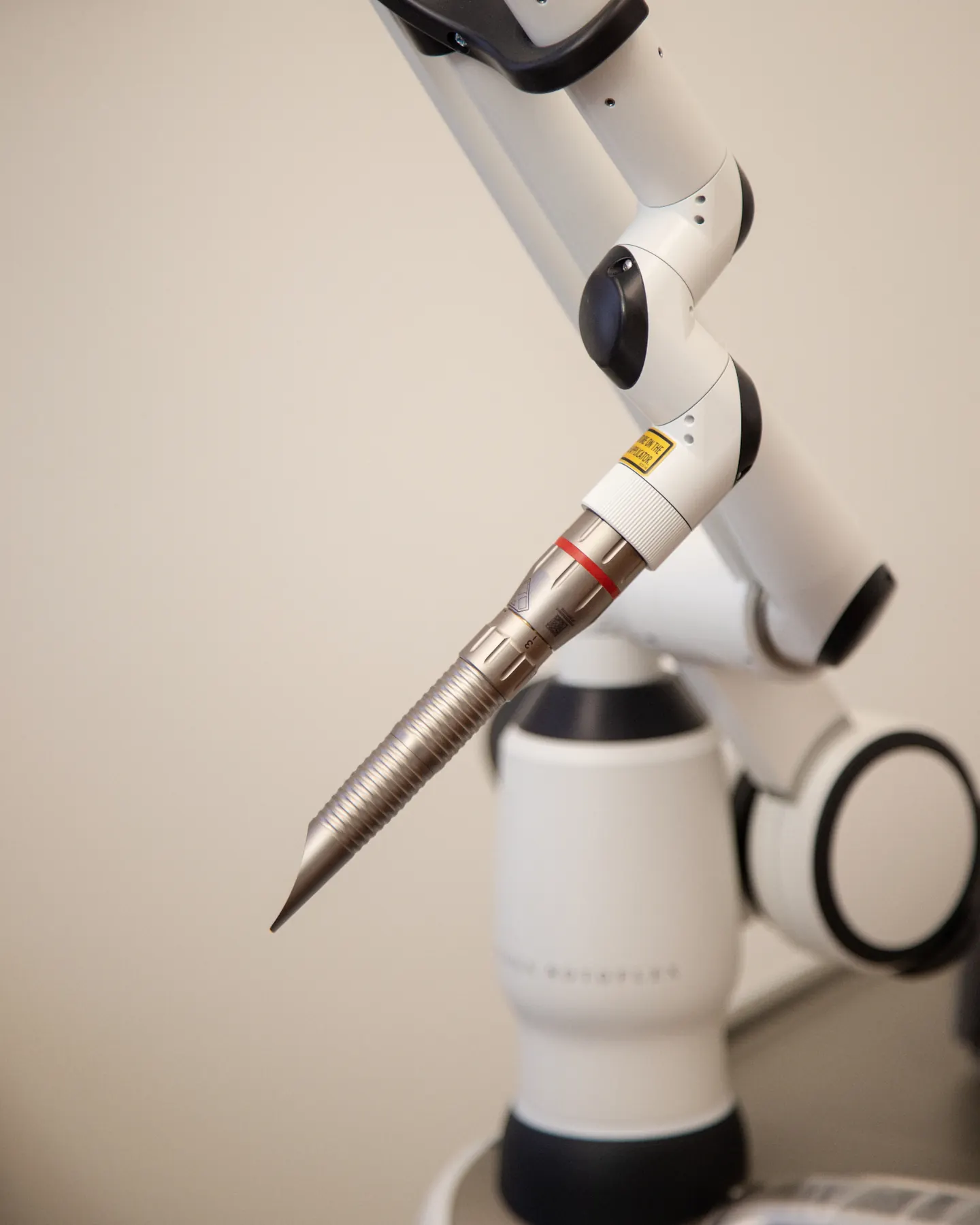
The TimeWalker platform uses Fotona laser technology in a sequence of treatment modes that target different depths of tissue. “4D” refers to four dimensions or phases of treatment, each aimed at a different layer or concern. In many practices, the treatment includes an intraoral tightening step, a deeper fractional component, a superficial tightening pass, and a light polishing phase. The exact settings vary based on skin condition, sensitivity, and treatment goals.
That structure matters. Fine lines are not only a surface issue. A smoker’s line around the mouth, for example, is shaped by repeated muscle use, thinning skin, and gradual loss of support underneath. Early cheek laxity can make lower face lines more visible even if the skin itself is not heavily damaged. By treating both the support layers and the outer skin, the Fotona 4D Laser Facial (TimeWalker) can create a more convincing result than a single-pass texture treatment.
One of the more interesting elements is the intraoral component, often called Smooth mode in Fotona-based protocols. A handpiece is used inside the mouth to heat tissue from within the cheeks and around the perioral region. This can improve support in an area that is notoriously hard to treat non-surgically. Patients are usually surprised by this part, not because it is painful, but because they have never had a facial treatment work from inside the mouth before.
The treatment is generally positioned as a collagen-stimulating option rather than a peel or a harsh resurfacing procedure. That distinction helps set expectations. The skin may look brighter within days, but the wrinkle-softening effect develops over weeks to months as collagen remodeling unfolds.
Why it works for fine lines better than many “quick fix” treatments
Fine lines respond best when treatment matches the reason they formed. Surface dryness and rough texture can make every line look worse. Sun damage weakens the upper layers of the skin. Loss of elasticity lets expression lines settle in and stay longer. If treatment only addresses one of those pieces, improvement is often limited.
The reason the Fotona 4D Laser Facial (TimeWalker) gets good traction in anti-aging clinics is that it approaches wrinkles as a layered problem. Heat energy stimulates fibroblasts, which are the cells involved in collagen production. Fractional delivery creates controlled zones of thermal effect that encourage repair while leaving surrounding tissue intact. That usually means less downtime than old-school aggressive resurfacing and a more manageable recovery for working adults.
In practice, the best wrinkle outcomes tend to show up in patients with early signs of aging. Think of the person in their late thirties to fifties who sees lipstick lines beginning to hold, crow’s feet lingering at rest, or mild creasing at the lower eyelids. This treatment can also be useful for older patients, Fotona 4D Laser Facial (TimeWalker) but if wrinkles are deeply etched and accompanied by significant volume loss, treatment often works best as part of a broader plan rather than as a stand-alone answer.
A point that often gets overlooked is movement. Dynamic wrinkles caused by muscle activity, especially in the glabella and forehead, do not respond as completely to laser as they do to neuromodulators. Laser can improve skin quality and soften the lines, but if the muscle keeps folding the same spot with force every day, those lines tend to return faster. In those cases, combination treatment is often more sensible than forcing one modality to do everything.
What a session feels like
The experience is usually Fotona 4D Laser Facial (TimeWalker) easier than patients fear, though it is not identical at every clinic because energy settings, topical numbing, and practitioner technique vary. Most sessions take around 45 to 75 minutes depending on whether the face alone is treated or the neck is included.
A topical anesthetic is often applied first, especially for patients who are sensitive or who are having more intensive settings. During the deeper phases, patients usually describe the feeling as heat building in pulses, sometimes with a prickly or snapping sensation. The intraoral step feels unusual but tends to be quite tolerable. The final polishing phase is often the easiest part.
Immediately after treatment, the skin can look pink to red, similar to a moderate sunburn. There may be warmth, mild swelling, and a sandpapery feel over the next day or two. Some people are back to normal social activity quickly, while others prefer a few days before important events. That range is one reason careful counseling matters. Marketing often calls treatments “lunchtime procedures,” but if someone has a wedding in 48 hours, I would not recommend testing that slogan.
One patient description captures it well: “I looked flushed on day one, slightly rough on day two, and by day four my skin looked calmer but noticeably smoother.” That timeline is common, though more intensive sessions can carry a longer visible recovery.
The kinds of wrinkles and texture changes it helps most
Not every line behaves the same way, and results are strongest when treatment targets the right problem. In my experience, the Fotona 4D Laser Facial (TimeWalker) tends to perform especially well in these situations:
- Fine perioral lines, especially early “lipstick lines” that are starting to show at rest
- Mild to moderate cheek and lower face creasing linked to early laxity
- Textural roughness and dullness that make lines look deeper than they are
- Crow’s feet and under-eye crepiness, when treated conservatively and by experienced hands
- Early jawline softening, where skin tightening can sharpen definition modestly
Deep nasolabial folds are more complex. They are often driven by structure and volume changes, not just skin quality. Laser can improve the overlying skin, but it will not replace support that has been lost in deeper facial compartments. Similarly, very heavy neck laxity or jowling generally calls for a different discussion.
Results, timing, and how many treatments are usually needed
This is not a one-and-done miracle for most people. Some patients see a healthy glow and mild smoothing after a single treatment, but the better outcomes for wrinkles generally come from a series. Many clinics recommend three sessions spaced roughly four to six weeks apart, then maintenance once or twice a year depending on age, sun exposure, and baseline collagen quality.
The early visible improvement usually comes from mild swelling, better hydration, and superficial refinement. The more meaningful wrinkle softening tends to show later. Around six to twelve weeks after the first session, patients often report that makeup sits better, the skin feels firmer when they wash it, and lines around the mouth or eyes look less fixed. That is the collagen timeline at work.
It helps to be blunt here: improvement is often noticeable, but subtle to moderate. On a realistic scale, many patients fall into the “I look better rested and my skin looks tighter” category rather than the “my face looks ten years younger” category. The latter expectation leads to disappointment even when the treatment technically worked.
A practical benchmark I use when explaining outcomes is this: if someone wants refinement, firmness, and a fresher surface, this is a strong option. If someone wants to erase deep folds, remove significant excess skin, or dramatically reposition sagging tissue, it is the wrong tool.
Downtime is shorter than aggressive resurfacing, but not zero
The appeal of TimeWalker treatments often lies in that balance between efficacy and recovery. Compared with more aggressive ablative lasers, downtime is typically shorter and the risk profile is more manageable. Still, there is recovery, and pretending otherwise helps no one.
Redness can last from a day or two to nearly a week, depending on intensity. Mild swelling is common, especially around the eyes and mouth. The skin may feel dry or rough for several days. Some patients develop transient bronzing or a “gritty” texture as the skin renews itself. Most can return to work quickly if they are comfortable with temporary redness, but social downtime is still a real consideration.
Sun avoidance after treatment is non-negotiable. Freshly treated skin is more vulnerable to irritation and pigment issues, particularly in patients who tan easily or are inconsistent with sunscreen. For that reason, I usually think carefully before scheduling this sort of laser right before a beach holiday or during a period when someone knows they will be outdoors a great deal.
Who tends to be a good candidate
The strongest candidates are usually patients with mild to moderate skin aging who want non-surgical improvement and understand that rejuvenation is a process. Good skin health habits also make a difference. Someone who uses daily SPF, avoids active tanning, and is willing to follow aftercare generally gets a smoother course and often a better result.
Skin type matters too. Many laser systems can be adjusted across a range of skin tones, but pigment risk varies with settings and practitioner judgment. Deeper skin tones are not automatically excluded, but they do require careful planning. A good clinic will ask about melasma, recent sun exposure, prior laser history, acne medications, cold sore history, and any tendency toward post-inflammatory hyperpigmentation or scarring.
Patients with active skin infections, compromised barrier function, significant rosacea flare, or recent isotretinoin use may need to postpone. Pregnancy policies vary by clinic and physician comfort level, but many elective laser treatments are deferred.
The consultation is where this treatment either makes sense or does not. A strong provider does not simply ask, “Do you want wrinkle treatment?” They assess whether the issue is primarily texture, pigment, movement, volume loss, or laxity, then decide if TimeWalker is the right base treatment or only one part of the plan.
How it compares with other wrinkle treatments
People often cross-shop this treatment against microneedling, RF microneedling, IPL, chemical peels, and fractional lasers. The right comparison depends on what bothers them most.
If the issue is mostly pigment and diffuse redness, IPL may be more directly useful. If the issue is deep acne scarring with significant textural irregularity, another fractional approach might be chosen. If the issue is facial movement creating etched forehead or frown lines, neuromodulators are often more effective at the source. If the issue is volume depletion in the cheeks or around the mouth, filler may produce faster visible change.
Where the Fotona 4D Laser Facial (TimeWalker) stands out is in patients who need multi-depth rejuvenation without stepping into fully ablative territory. It can brighten, tighten, and smooth in one protocol. That makes it attractive for patients who do not want a menu of separate treatments but do want more than a superficial refresh.
That said, combination therapy is often where the best aesthetic work happens. A patient with mouth lines may benefit from laser for texture, a touch of neuromodulator for repetitive pursing, and careful filler only if support is lacking. Another patient may pair TimeWalker with a medical-grade retinoid and regular maintenance peels. Thoughtful layering beats brand loyalty almost every time.
The skill of the operator matters more than the brochure
Laser devices are only as good as the person choosing the settings and reading the skin in front of them. This is particularly true with wrinkle treatment, where undertreatment leads to underwhelming results and overtreatment increases the risk of prolonged redness, irritation, or pigment change.
An experienced provider looks at more than age. They look at skin thickness, dehydration, sun damage pattern, facial movement, scar history, and whether a person heals quietly or tends to stay inflamed. They also know when not to chase one more pass. There is a real difference between treating assertively and treating recklessly.
This is one reason pricing varies. Patients sometimes compare quotes from different clinics and assume one is overcharging for the same thing. Sometimes that is true. Sometimes the difference reflects physician oversight, more comprehensive consultation, better cooling and aftercare protocols, or simply greater expertise with the device. Those variables influence outcome more than most people realize.
Aftercare shapes the final result
The first week after treatment is not the time to experiment with strong actives, fragrant products, or anything abrasive. The skin does best with a calm routine, generous hydration, and strict sun protection.
A simple aftercare plan usually includes the following:
- Use a gentle cleanser and bland moisturizer for several days
- Avoid retinoids, exfoliating acids, and scrubs until the skin has settled
- Wear broad-spectrum sunscreen daily and reapply if outdoors
- Skip saunas, hard exercise, and heavy heat exposure for at least a day or two, sometimes longer if the skin is still very red
- Contact the clinic promptly if swelling, crusting, or discomfort seems excessive rather than assuming it is normal
Patients who ignore aftercare often blame the treatment for issues they helped create. A strong active serum used too early can turn a routine recovery into a week of avoidable irritation. On the other hand, patients who protect the barrier and respect sun exposure tend to recover smoothly and appreciate the results more quickly.
Realistic trade-offs patients should understand
Every worthwhile skin treatment has trade-offs. With TimeWalker, the trade-off is usually this: more meaningful rejuvenation than a spa-level treatment, with less downtime than aggressive resurfacing, but also a slower and less dramatic endpoint than surgery or heavier ablative approaches.
Cost is another factor. A full series is not cheap, and maintenance matters. If a patient can only afford one session but expects a complete turnaround in etched wrinkles, I would rather say so upfront than let marketing language do the talking. There is value in the treatment, but it works best when patients can commit to the plan that gives it a fair chance.
Then there is the issue of patience. People are used to injectable treatments where the result arrives quickly. Laser collagen remodeling asks for a different mindset. You often feel the skin changing before you fully see it. Some people love that gradual improvement because it looks natural. Others find it frustrating.
Where this treatment fits in a sensible anti-aging plan
The best wrinkle strategies rarely rely on one intervention alone. A patient who gets excellent results from the Fotona 4D Laser Facial (TimeWalker) usually also protects those gains. Daily sunscreen, consistent skincare, periodic maintenance, and control of repetitive muscle-driven lines all matter.
If someone in their forties with early perioral lines asks me whether this treatment is “worth it,” the answer is often yes, especially if they want a non-surgical approach and understand what it can and cannot do. If someone in their sixties with significant tissue descent asks the same question, the answer may still be yes, but only as one piece of a broader plan, not the headline act.
Used thoughtfully, this laser has a legitimate place in wrinkle management. It can soften the signs of aging in a way that still looks like your face, just better supported, more even, and less tired. For many patients, that is exactly the right target.
OMNIA Wellness Center
Address: 16430 Ventura Blvd Ste 207, Encino, CA 91436
Phone: (818) 386-8511
FAQ About Fotona 4D Laser Facial (TimeWalker)
What are the benefits of Fotona laser treatment?
OMNIA offers this treatment for concerns such as uneven texture, dull tone, and fine lines. Results and the number of sessions vary, so discuss your goals with a provider.
Is Fotona laser safe?
A qualified provider should review your skin, medical history, medications, and recent sun exposure to determine whether the treatment is appropriate. Ask about possible irritation, pigment changes, and aftercare before booking.
How much does a Fotona 4D facelift cost?
Price depends on the treatment plan and number of visits. Ask OMNIA for an itemized estimate during your consultation.
Corrections
Spot something wrong? Send it to the desk and it gets fixed in the open.