Fotona 4D Laser Facial (TimeWalker) in Encino, CA for Everyday Glow and Lift
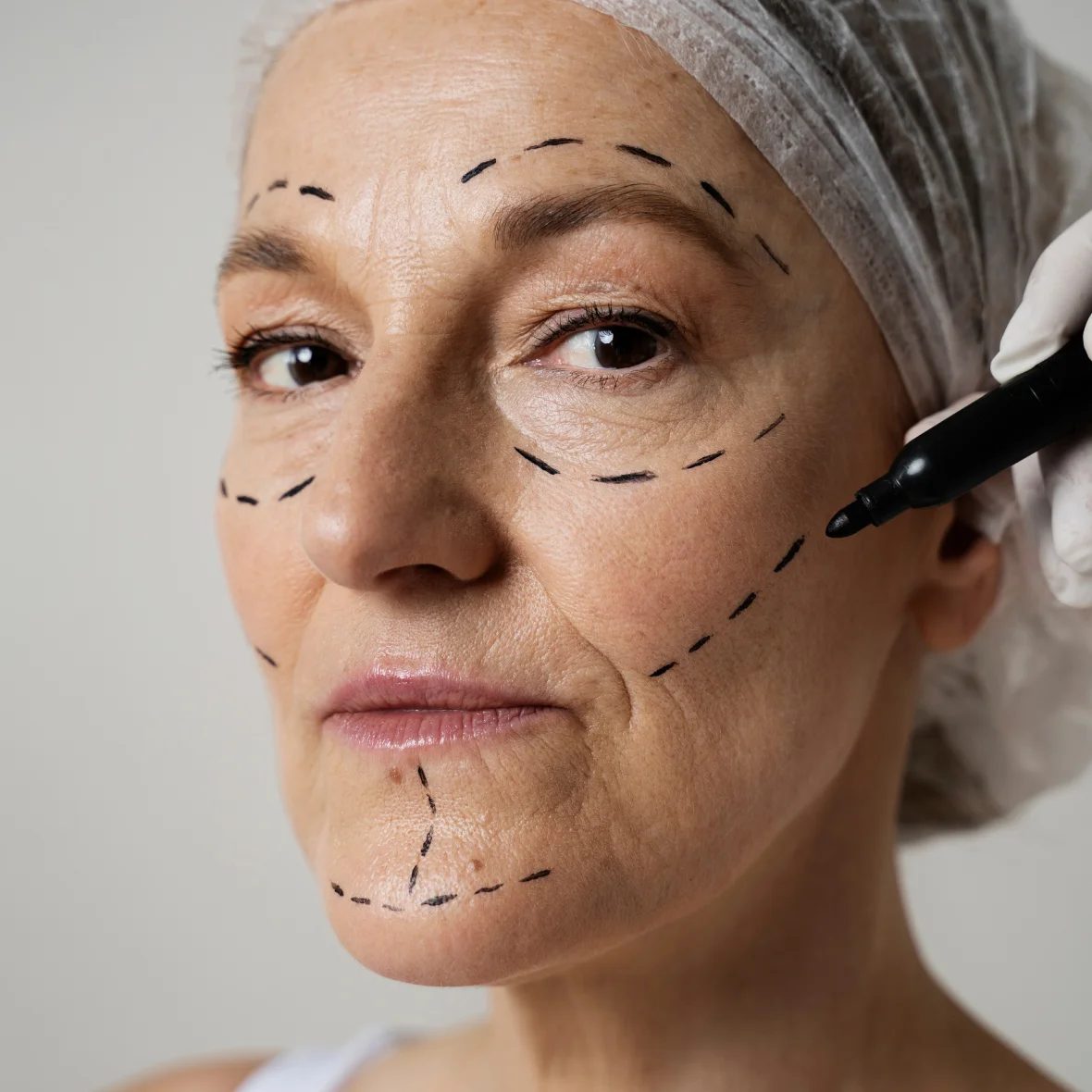
A lot of facial treatments promise radiance. Fewer deliver it in a way that still looks like your own face, just fresher, better rested, and a little more lifted. That is where the Fotona 4D Laser Facial, often associated with the TimeWalker platform, has earned real attention in aesthetic practices. It occupies a useful middle ground. It is more substantial than a standard facial, more dynamic than a single superficial laser pass, and far less disruptive than surgery.
For patients in Encino who want improvement without putting life on pause, that balance matters. Most people are not chasing a dramatic transformation. They want skin that looks smoother in daylight, makeup that sits better around the mouth, and a jawline that appears a touch firmer on video calls and in candid photos. Those are practical goals, not fantasy goals, and they are the reason the Fotona 4D Laser Facial (TimeWalker) Encino, CA conversation keeps coming up in real consultations.
What makes this treatment distinct is not one single setting or one single pass. It is the layered approach. Instead of treating the face as a flat surface, it works through multiple dimensions of tissue, including areas inside the mouth and across the outer skin, to support tightening, texture refinement, and a refreshed glow. When performed thoughtfully, it can create a polished look that reads as healthy rather than obviously treated.
Why people in Encino are drawn to this kind of laser treatment
Encino has no shortage of patients who care about maintenance. They are professionals, parents, performers, entrepreneurs, and active adults who are visible in their communities and often on camera. Many are not interested in a procedure that announces itself. They want options that fit between work meetings, school pickups, workouts, and social plans.
That lifestyle is one reason a treatment like this makes sense. It is often chosen by patients who are not ready for injectables, want to support results between injectable appointments, or simply prefer device-based treatments that focus on collagen stimulation and skin quality. Some come in because they are seeing the earliest signs of laxity around the lower face. Others are bothered by crepey texture, enlarged pores, lip lines, or a dull surface that no amount of exfoliating seems to fix.
What is interesting in practice is how often patients use the same phrase after a successful series: “I just look better.” They do not always describe the technical changes first. They talk about looking less tired, feeling less washed out without makeup, or noticing that their skin looks smoother when they catch themselves in a car mirror at noon. Those are subtle wins, but they are meaningful ones.
What Fotona 4D actually means
The term “4D” can sound like marketing language until you understand what it refers to. In practice, it describes a sequence of treatment modes that target different tissue depths and concerns. The exact settings vary by provider and by patient, but the concept is consistent: internal tightening, deeper collagen remodeling, surface refinement, and light polishing are combined in one treatment plan.
One of the signature elements is the intraoral component. That means part of the treatment can be delivered from inside the mouth to address the tissue around the nasolabial folds, the perioral area, and the lower face. Patients are often surprised by this. It sounds unusual at first, but anatomically it makes sense. Treating from the inside allows energy delivery to tissue planes that are difficult to address from the outside alone.
Then the external passes work on deeper support, texture, and finishing. Some settings emphasize heat for tightening, while others focus on superficial resurfacing and glow. The reason experienced providers like this system is that it can be tailored. A patient whose main complaint is mouth lines and heaviness near the lower face will not necessarily need the same emphasis as someone more bothered by rough texture and enlarged pores.
That customization is important because not every face ages in the same way. A lean face with early laxity requires different judgment than a fuller face with congestion and textural change. Good treatment planning respects those differences.
The “everyday glow” effect is not just about shine
Patients often use the word “glow,” but that term can be vague. In the clinic, glow usually reflects several visible changes happening together. Light bounces better off smoother skin. Pores look less prominent. Surface dryness improves. Fine lines soften. Redness and unevenness may appear less distracting once the overall skin texture is more refined. The result is not glittery or glossy. It is more that the skin appears healthier and less stressed.
That matters because people do not usually judge skin by a single feature. They take in the whole impression. If the skin around the mouth is crinkled, the cheeks look flat, and the surface is dull, the face reads as fatigued even if there are not many deep wrinkles. Conversely, if the texture is smoother and the skin tone looks cleaner, the face can seem brighter even before anyone identifies why.
A well-planned Fotona 4D treatment often contributes to that broader improvement. It is not a substitute for good skincare, sun protection, or realistic expectations, but it can shift the baseline. Instead of chasing radiance with highlighter and hydrating masks that wear off in a day, patients may notice a more reliable freshness that shows up bare-faced.
Where the lift comes from
The “lift” in a non-surgical treatment should always be discussed honestly. This is not a facelift, and any omniawellnesscenterencino.com Fotona 4D Laser Facial (TimeWalker) Encino, CA provider who presents it that way is overselling. The lift here is subtler. It tends to show up as improved tissue support, especially around the lower face, oral commissures, cheeks, and jawline. Fine wrinkling can soften. The skin may feel firmer. In some patients, the face looks less slack and more held together.
That improvement comes from controlled thermal stimulation and collagen remodeling over time. Heat, when applied appropriately, can prompt the skin and supportive tissue to behave differently as they heal. Results are not always immediate, although many patients do notice some early tightening or post-treatment brightness. The more durable benefit develops gradually in the weeks and months after treatment.
This distinction helps manage expectations. Someone Fotona 4D Laser Facial (TimeWalker) Encino, CA with significant jowling, heavy neck laxity, or substantial volume loss may like the quality changes from Fotona 4D but still need other modalities for a more pronounced lift. Sometimes that means combining treatment with injectables, biostimulators, microneedling, or surgery. The skill lies in matching the device to the real problem rather than trying to force every concern into one platform.
What a treatment appointment usually feels like
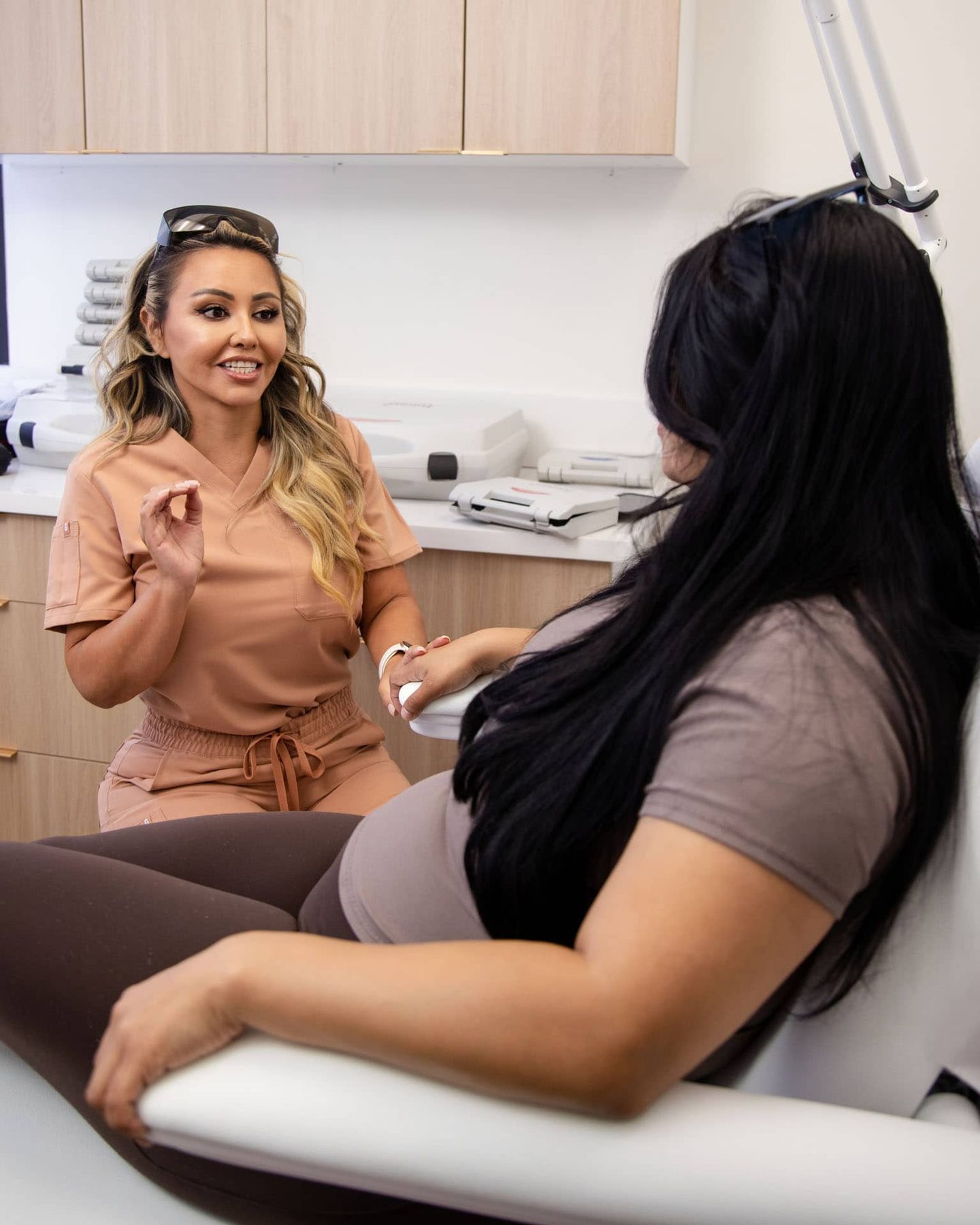
Consultations are where the treatment either starts well or starts wrong. A quick glance across the room is not enough. The best visits include a real look at skin thickness, pigmentation tendencies, texture, acne history, rosacea, prior procedures, and how the face moves. In Encino, where sun exposure is a year-round factor, providers should also pay close attention to tanning habits, daily SPF use, and any pigment risk.
During the actual treatment, patients often describe the experience as warm and prickly rather than sharply painful. The intraoral portion feels unusual mostly because it is inside the mouth, not because it is severe. External passes can range from very tolerable to more intense depending on settings and treatment goals. Some patients choose numbing for certain components, while others do not need it.
Expect some redness afterward. The degree varies. A gentle polishing treatment may leave a mild flushed look that settles fairly quickly. More aggressive resurfacing settings can create more noticeable downtime. This is one of the areas where online descriptions can be misleading. “No downtime” is often shorthand for “manageable downtime,” and those are not always the same thing. If you have a wedding, headshots, or an important event, timing matters.
A typical treatment plan often involves a series rather than a one-time appointment. That is not because one session does nothing. It is because collagen-based results build, and skin quality usually improves more consistently with repeated treatments spaced according to the provider’s judgment and the skin’s response.
Who tends to benefit most
This treatment is often a strong fit for adults beginning to notice mild to moderate laxity, fine lines around the mouth, early sagging near the jawline, or a general decline in skin vitality. It can also suit patients who want visible improvement but are not prepared for a more invasive procedure.
In real practice, several patient types tend to be especially happy with it:
- the patient in their late 30s to early 50s who feels their face looks tired before it looks old
- the patient who wants skin tightening and glow without injectables as the main strategy
- the patient with smoker’s lines or etched lip lines who needs both texture work and tissue support
- the patient maintaining previous aesthetic work and trying to preserve momentum
- the patient with an event months away who wants a polished, gradual improvement rather than a last-minute fix
Not everyone is an ideal candidate, and that is worth stating plainly. If the issue is severe laxity, very deep folds, or significant volume depletion, a standalone laser facial may not be enough. Patients with active infection, certain inflammatory skin conditions, poor wound healing, or recent sun exposure may need to postpone. Those with pigment concerns require especially thoughtful treatment planning, because the wrong settings on the wrong skin at the wrong time can create more trouble than benefit.
Encino-specific considerations: sun, schedules, and realistic planning
Treating skin in Southern California always means dealing with sun behavior, whether patients admit to it or not. Even people who swear they “never really tan” often spend more incidental time outside than they realize. Driving, walking the dog, outdoor brunches, sports sidelines, and quick errands all add up. If you are considering a Fotona 4D Laser Facial (TimeWalker) Encino, CA treatment plan, this matters because freshly treated skin and unprotected UV exposure do not mix well.
The patients who recover and maintain best are usually the ones who take pre- and post-care seriously. They wear hats. They reapply SPF. They pause aggressive exfoliants when instructed. They do not book a resurfacing-focused session two days before a beach weekend and then act surprised when redness lingers.
Scheduling also deserves common sense. A treatment that causes even modest swelling or redness can feel more dramatic if you are headed straight into an important work presentation or social event. For that reason, many providers recommend spacing sessions away from high-visibility commitments, especially the first time, when you do not yet know how your skin tends to react.
How this compares with other options patients often ask about
Patients rarely come in asking only about one treatment. More often, they are comparing laser facials, radiofrequency, microneedling, peels, and injectables. The right choice depends on the main concern.
If texture and pigment are the dominant issue, another resurfacing approach may be a better first move, depending on skin type and downtime tolerance. If deep folds are caused primarily by volume loss, filler or biostimulators may do more. If the concern is active acne scarring, a provider may lean toward a different resurfacing protocol or combine modalities. If there is significant skin laxity under the chin and neck, surgical consultation may be the more honest recommendation.
Where Fotona 4D tends to shine is in the patient who wants multi-layered improvement. It can address support, fine wrinkling, texture, and brightness in a way that feels cohesive. It is often less about “one dramatic fix” and more about restoring the face’s fresher version.
That distinction is why satisfaction can be high among the right candidates. Patients who expect a subtle but real lift, smoother skin, and a healthier look often do well. Patients who expect a non-surgical device to erase ten years in a week usually need a better conversation before treatment.
The role of provider skill
Devices matter, but the person using them matters more. Two treatments performed on the same machine can feel and look very different depending on assessment, settings, treatment sequence, and restraint. A good provider knows when to push for meaningful improvement and when to back off to protect the skin.
This becomes especially important in patients with melanin-rich skin, a history of post-inflammatory hyperpigmentation, rosacea, or impaired barrier function. It also matters in faces that have had prior filler, prior energy-based treatments, or surgical work. The provider should be able to explain why they are choosing specific parameters and what trade-offs come with that choice.
One of the easiest ways to spot thoughtful care is in how expectations are handled. If the consultation includes nuance, such as discussing how lower-face tightening may improve but not fully erase jowling, or how resurfacing for lip lines may require a staged plan, that is usually a good sign. Precision in language often reflects precision in treatment.
Recovery and aftercare make a visible difference
Even an excellent treatment can be undermined by poor aftercare. Skin that has been heated or resurfaced needs support, not experimentation. This is not the moment to try three new actives because a social post said they “boost results.”
Most practices will give tailored instructions, but the practical priorities are usually straightforward:
- protect the skin from sun exposure with consistent SPF and physical barriers like hats
- use gentle cleansers and moisturizers until the skin feels settled
- pause retinoids, acids, scrubs, and other strong actives until cleared to restart
- avoid picking, over-cleansing, or rubbing flaky areas
- follow the timing recommended for your next session instead of spacing treatments randomly
Patients who do this well often notice that redness resolves more predictably and the skin quality improves in a smoother, less reactive way. It sounds basic, but basic care is often what separates average outcomes from excellent ones.
What results tend to look like over time
The timeline matters because this is not a one-night transformation. Some patients notice immediate brightness and a mild “tight” feeling after treatment. That early effect can be encouraging, but it is not the full story. Collagen remodeling unfolds more gradually.
Over the following weeks, skin may look smoother, makeup may apply more evenly, and the area around the mouth can appear less crinkled. After a series, the cumulative effect often becomes easier to appreciate. Patients may see that their face looks less heavy near the lower cheeks or that their skin has more clarity in ordinary indoor lighting. That last point matters. Good treatments should look good in a bathroom mirror and at school pickup, not only under flattering office lights.
Maintenance usually enters the conversation once the initial series is done. How often that is needed varies. Age, sun behavior, skincare, genetics, and baseline tissue quality all influence longevity. A younger patient using the treatment preventively may stretch sessions farther apart than someone treating established laxity and photoaging.
Cost, value, and the real question patients should ask
Price comes up early, and understandably so. Laser treatments are an investment, especially when done as a series. Costs vary by market, provider expertise, treatment scope, and whether the session includes lighter maintenance settings or more intensive resurfacing components.
The more useful question is not simply “How much is one session?” but “What am I trying to improve, and what plan gives me the best chance of reaching that goal?” A cheaper treatment that does not address the actual issue is not a bargain. Likewise, an expensive device treatment that duplicates what your current regimen already does is not good value.
For some patients, Fotona 4D becomes the anchor treatment that replaces a scattershot mix of facials, peels, and impulse procedures. For others, it works best as part of a broader maintenance plan. The right answer depends on the face in front of the provider, not on a trend.
Why this treatment has staying power
The aesthetic field is crowded with names, acronyms, and seasonal obsessions. Treatments come and go, often because they photograph well online before anyone asks harder questions about consistency and patient selection. The reason Fotona 4D has staying power is simpler. It addresses common facial concerns in a layered, adaptable way, and it can produce changes people actually notice in daily life.
That matters more than hype. Most patients are not collecting treatments as a hobby. They want skin that reflects how well they feel, or at least how well they would like to look on a normal Tuesday. They want a result their friends read as refreshed, not suspicious. They want lift that does not distort, glow that does not sit on top of irritation, and improvement that respects the shape of their own features.
For the right candidate, under experienced hands, the Fotona 4D Laser Facial (TimeWalker) Encino, CA approach can meet those goals. It is not magic, and it is not a shortcut past anatomy, aging, or sun damage. It is a well-designed option for patients who want meaningful skin rejuvenation with nuance, flexibility, and a natural endpoint. That is why it continues to earn a place in thoughtful aesthetic care, especially for people who value looking polished in real life, not just treated on paper.
OMNIA Wellness Center
16430 Ventura Blvd Ste 207, Encino, CA 91436
Phone: +1 818-386-8511
FAQ About Fotona 4D Laser Facial (TimeWalker) Encino, CA
What is a Fotona laser good for?
Fotona lasers support several different aesthetic protocols. The Fotona 4D facial uses two wavelengths and four treatment modes to address concerns such as fine lines, skin texture, and mild laxity. OMNIA Wellness Center offers the TimeWalker facial with an individual consultation. Suitability and likely improvement depend on the person's skin and goals; results are not guaranteed, and this treatment does not reproduce a surgical facelift.
How much does a Fotona laser treatment cost?
The cost depends on the treatment protocol, areas treated, number of sessions, and provider's assessment. Ask OMNIA Wellness Center for a current written quote that explains what is included, whether follow-up is included, and any proposed package terms. An individualized estimate is more useful than assuming that one advertised price applies to every facial treatment.
How much downtime is there after a Fotona laser procedure?
Recovery varies with the specific protocol and intensity. Fotona describes its 4D facial as having little to no downtime, but temporary redness or sensitivity can occur, and a stronger surface treatment can require more recovery. Ask the treating clinician what to expect from the planned settings, how to care for the skin afterward, and when to contact the clinic with concerns.
Corrections
Spot something wrong? Send it to the desk and it gets fixed in the open.