Fotona Laser Treatments Encino, CA: Advantages for Modern Patients
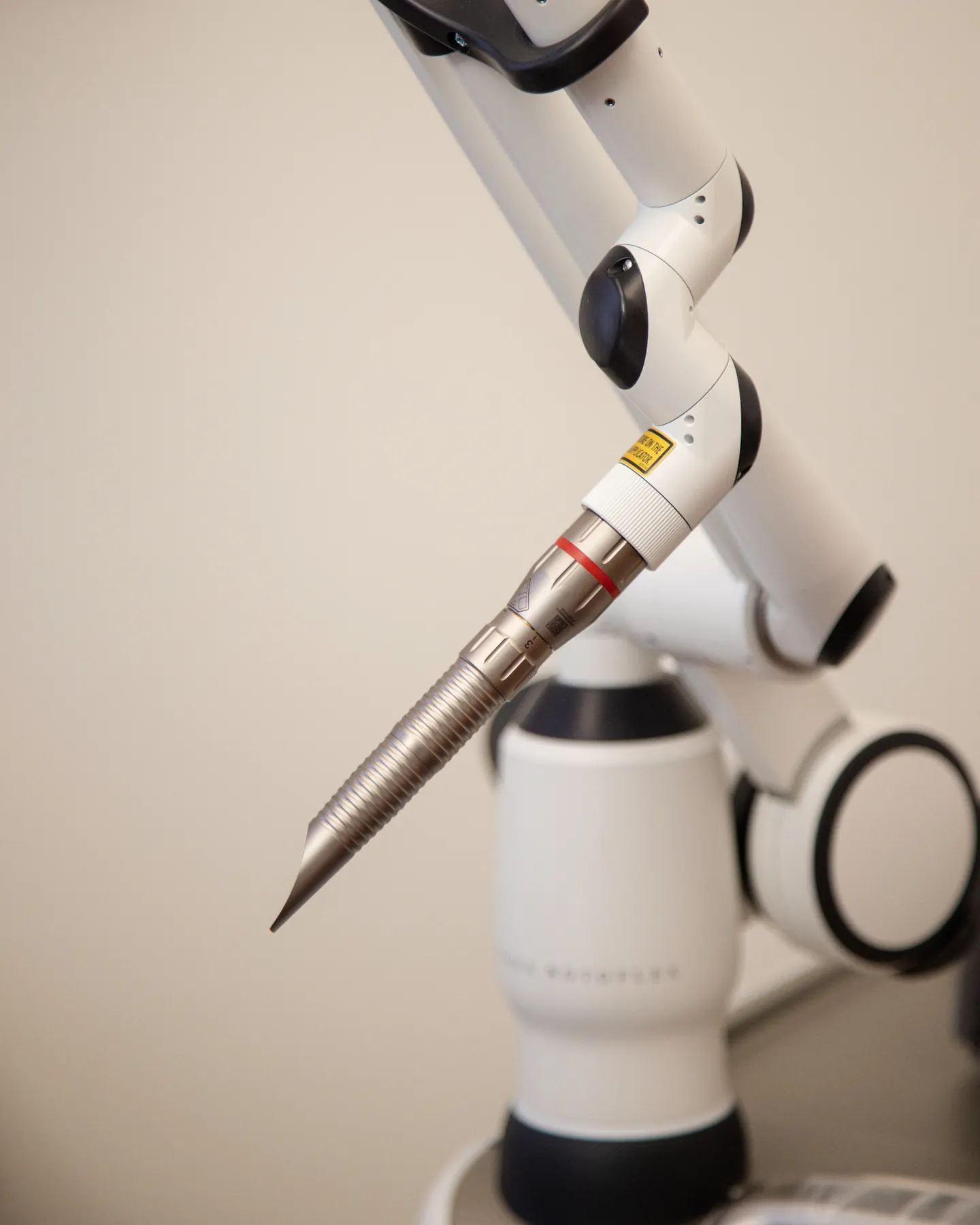
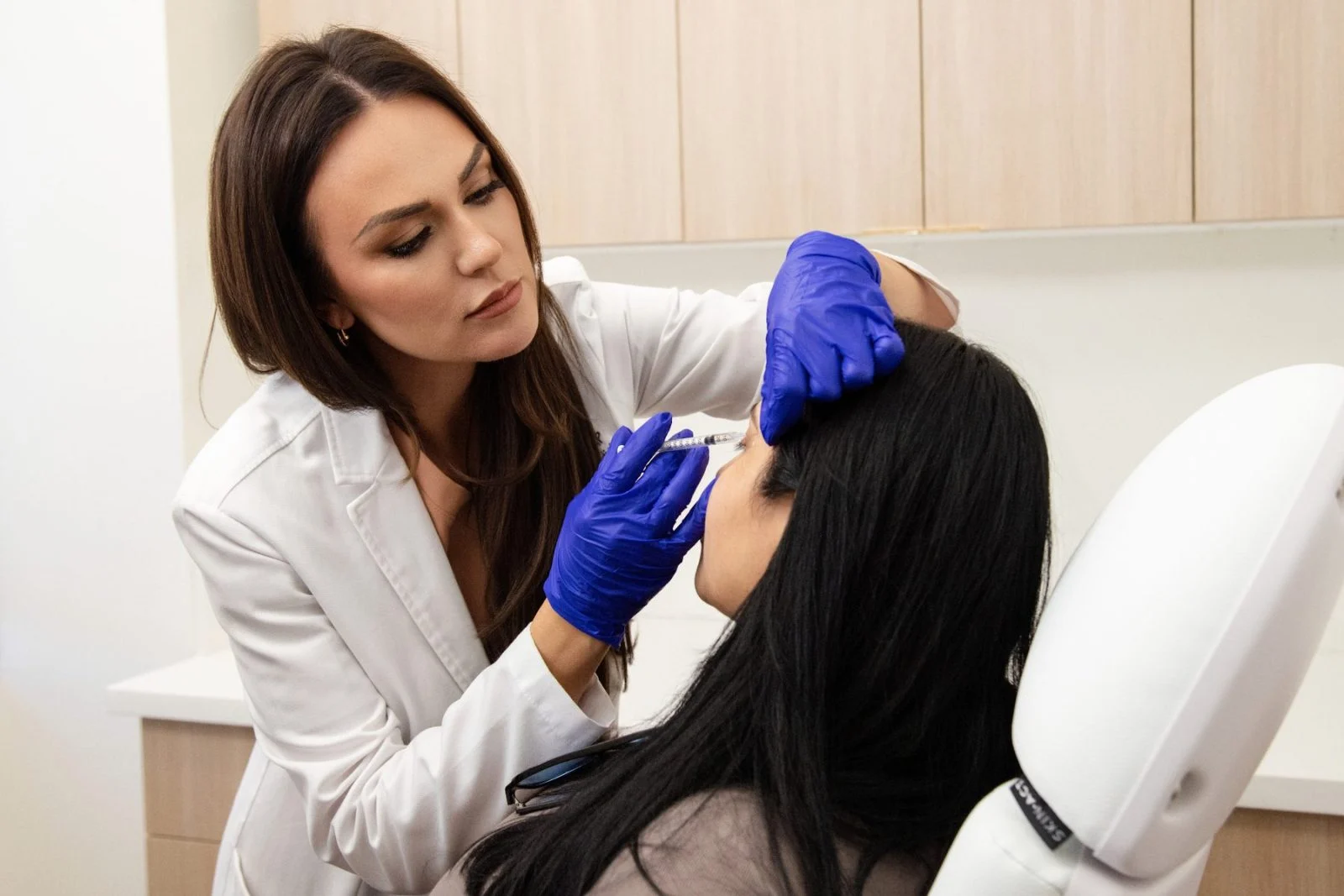

The appeal of laser medicine has changed over the past decade. Patients are no longer looking only for dramatic before-and-after photos. They want treatments that fit real life, improve skin quality without unnecessary downtime, and can be adjusted to match age, skin condition, goals, and schedule. That is a large part of why Fotona laser treatments have earned sustained attention in aesthetic practices.
For patients considering Fotona Laser Treatments Encino, CA, the conversation usually starts with one practical question: what makes this platform worth considering over other devices or more traditional cosmetic options? The answer is not a single feature. It is the combination of versatility, precision, and the ability to treat concerns that range from texture and laxity to acne scarring and overall skin rejuvenation.
Encino is a useful place to have this discussion because cosmetic patients here tend to be informed, busy, and selective. They often balance appearance goals with demanding work lives, family commitments, outdoor sun exposure, and a strong preference for natural-looking results. In that setting, treatments that can be customized, layered, and timed intelligently are often more attractive than one-size-fits-all approaches.
Why Fotona stands out in a crowded laser market
Not all lasers behave the same way, and not all “laser resurfacing” is really the same treatment under the hood. Fotona systems are well known for using two major wavelengths in many treatment protocols: Er:YAG and Nd:YAG. That matters because each wavelength interacts with tissue differently.
Er:YAG is often chosen when a provider wants highly controlled ablation or resurfacing of the skin’s surface. It can help improve texture, fine lines, enlarged pores, and some superficial acne scarring. Nd:YAG, by contrast, tends to work deeper and can support collagen remodeling, skin tightening, vascular-related concerns, and broader rejuvenation strategies depending on settings and protocol. When a provider has access to both modes and knows how to use them well, treatment planning becomes more nuanced.
That nuance is where modern patients benefit. A patient in their early 30s with early acne scars and uneven tone may need a very different plan from a patient in their 50s dealing with skin laxity, crepey texture around the eyes, and accumulated sun damage. The value of the platform is not just that it is “strong.” It is that it can be adapted.
In practice, that flexibility often leads to a better balance between results and recovery. Some patients want a more aggressive resurfacing session and are willing to plan around a week or more of visible recovery. Others want gradual improvement through a series of lower-downtime sessions. Both can be reasonable choices, provided expectations are realistic.
The Encino patient profile, and why customization matters
Patients in Encino often come in with a familiar set of concerns. Sun exposure is a recurring factor. Even people who wear sunscreen regularly may still see cumulative effects from years of driving, hiking, tennis, walking the dog, or simply living in Southern California light. The damage does not always show up as one dramatic problem. More often, it appears as a mix of dullness, broken texture, fine lines, patchy tone, and a sense that the skin no longer reflects light evenly.
Another pattern is lifestyle pressure. Many people want visible improvement but cannot disappear from work, social events, or school drop-offs for long. Recovery time matters. So does predictability. A treatment that sounds appealing on paper may be the wrong fit if it leaves a patient too red, too swollen, or too flaky for their actual calendar.
This is where Fotona can be particularly useful. A skilled provider can often adjust energy settings, pulse duration, treatment depth, and overall intensity to suit the patient in front of them rather than forcing the patient into a preset package. That can make a major difference in outcomes and satisfaction.
It also matters for skin diversity. Southern California practices treat a broad range of skin tones and skin behaviors. Laser treatment always requires thoughtful patient selection and careful parameter choices, especially when there is a higher risk of post-inflammatory hyperpigmentation. A reputable clinic should be frank about that. The best providers do not promise every treatment to every person. They explain where Fotona fits, where it must be modified, and where another modality may be safer or more appropriate.
What concerns Fotona laser treatments are commonly used for
One of the reasons patients ask specifically for Fotona is that they have heard it can address more than one issue at once. That is often true, though the exact benefit depends on protocol and provider skill.
Skin texture is one of the clearest examples. When the outer layers of damaged skin are treated in a controlled way, many patients notice smoother skin, better light reflection, and a more refined appearance. Fine lines can soften, especially around the eyes and mouth, where early aging tends to become visible first.
Acne scarring is another common reason for consultation. Not every scar responds the same way. Rolling scars, shallow boxcar scars, and textural irregularities may improve more readily than deep ice-pick scars. Patients do best when they understand that laser treatment usually improves scar appearance rather than erasing it. Even a 30 to 60 percent improvement can be meaningful in daily life, especially under natural light rather than studio lighting.
Skin tightening is a separate but related category. Some Fotona protocols are designed to stimulate collagen remodeling more deeply, which may help with mild to moderate laxity. The important phrase here is “mild to moderate.” A laser is not a surgical facelift, and ethical providers say so directly. What it can often do is improve firmness and quality enough to make the face or neck look fresher, less tired, and more cohesive.
Pigment and redness can also come up in consultation, although whether Fotona is the best choice depends on the exact issue. Melasma, for example, needs very careful management and does not always respond well to aggressive heat-based treatment. Diffuse redness, superficial vascularity, or mixed sun-related changes may require a more tailored plan. The right clinic will assess whether Fotona should be the main treatment or just one part of a broader strategy.
The attraction of “natural improvement” rather than overcorrection
A noticeable shift in cosmetic medicine is that more patients want to look better, not different. They do not necessarily want people to ask what they had done. They want smoother skin, tighter skin, and a more rested appearance. Laser treatments fit that preference well because they work through tissue response and remodeling rather than adding volume or changing anatomy.
That subtlety appeals to professionals, parents, and people who are often on camera or in face-to-face work. When laser treatment is done thoughtfully, the result is usually cumulative and believable. Friends may comment that someone looks healthy or refreshed without identifying a procedure.
This matters more than marketing language often suggests. In real practice, patients who ask for “natural” results usually mean something very specific. They want pores to look smaller in direct daylight. They want makeup to sit better. They want under-eye crepiness to soften enough that concealer does not bunch. They want jawline skin to look a little firmer on video calls. These are not fantasy goals. They are concrete quality-of-life goals, and laser treatment is often strongest when it is aimed at exactly those details.
Downtime, discomfort, and what modern patients realistically tolerate
One of the biggest misconceptions around lasers is that stronger always means better. In reality, stronger only helps when the added recovery burden is worth the gain. Many patients in Encino are balancing packed schedules, and they do not want to trade smoother skin for two weeks of social downtime unless the expected payoff is substantial.
Fotona protocols vary widely. Some are mild enough that redness fades relatively quickly and normal routines resume within a short window. Others are more intensive and can involve several days of redness, swelling, rough texture, and visible healing. A resurfacing-heavy session may require very different aftercare than a deeper non-ablative tightening session. The point is not that one is superior. The point is that the treatment should match the patient’s tolerance and goals.
Discomfort is similarly variable. Topical numbing is common for many laser sessions, and some practices use cooling, oral comfort measures, or other supportive steps depending on intensity. Most patients describe the experience as tolerable rather than pleasant. That is honest and useful. It is also why consultation matters so much. People are far more satisfied when they know what the treatment feels like, what they will look like on day two, and how long it may take before the skin looks polished rather than simply healed.
Where Fotona can outperform simpler options
Many aesthetic patients start with facials, peels, microneedling, or radiofrequency treatments. Those can all have value. The question is when a laser platform like Fotona offers a more meaningful step up.
A peel can improve brightness and some superficial texture, but it often has limits with established acne scars or deeper etched lines. Microneedling may support collagen response and can be an excellent maintenance tool, yet some patients plateau when they need more surface correction or more targeted energy delivery. Injectable treatments can soften Fotona Laser Treatments Encino, CA wrinkles caused by muscle movement or restore volume, but they do little for crepey texture, diffuse roughness, or enlarged pores.
This is where Fotona often occupies a useful middle ground. It can be more substantial than lighter skin-refreshing treatments, while still offering a range of intensity levels short of surgery. For the right patient, that balance is exactly the advantage.
I have seen this matter most in patients who say some version of the same thing: “I look fine from a distance, but up close my skin doesn’t look like it used to.” That patient often does not need a dramatic overhaul. They need better texture, firmer skin quality, and more consistency in tone and reflectivity. A flexible laser platform can address that profile more effectively than isolated spot treatments.
The importance of technique, not just technology
It is tempting to talk about a laser platform as if the machine alone produces the result. In reality, outcomes depend heavily on who is using it, how they assess the skin, and whether they know when to be conservative.
A strong consultation should include a discussion of medical history, skin sensitivity, recent sun exposure, history of cold sores if the mouth area is being treated, pigment tendencies, active acne, current skincare, and prior procedures. It should also include an honest review of timing. If someone has a wedding, televised appearance, or major event in ten days, that shapes the treatment plan.
A careful provider will also explain endpoint expectations. If they are treating acne scars, they should explain that several sessions may be needed. If they are proposing skin tightening, they should clarify that collagen remodeling unfolds over time, often over weeks to months rather than overnight. If they are treating the eye area or neck, they should describe how delicate those areas can be and what degree of change is realistic.
Patients sometimes focus heavily on the brand name and not enough on the operator. That is understandable, but it is backwards. A well-trained clinician with conservative judgment is often the difference between a result that looks refined and a result that leads to prolonged redness, irritation, or disappointment.
Who tends to be a good candidate
The ideal candidate is not defined by age alone. It is defined by skin concern, health status, expectations, and willingness to follow aftercare.
Patients with early to moderate signs of photoaging often do well. So do patients with textural irregularities, enlarged pores, and certain types of acne scarring. Mild skin laxity can respond nicely in selected cases. Patients who are prepared to protect their skin from sun exposure after treatment also tend to have better outcomes and fewer complications.
Less ideal candidates include those with unrealistic expectations, recent heavy tanning, active skin infection, uncontrolled inflammatory skin conditions in the treatment area, or no tolerance for even temporary social downtime. A person who says they want maximum resurfacing but cannot be red for more than 24 hours is not giving a workable brief. Good clinics will slow that conversation down and reset expectations before proceeding.
Questions worth asking at a consultation
A smart consultation is less about sales language and more about clarity. Patients considering Fotona Laser Treatments Encino, CA usually benefit from asking a few direct questions:
- Which specific Fotona protocol are you recommending for my concern, and why that one?
- How much downtime should I realistically expect, not the best-case scenario?
- How many sessions do patients like me often need to see worthwhile improvement?
- What risks do you consider most relevant for my skin tone and history?
- If Fotona is not the best option for one of my concerns, what would you recommend instead?
Those questions tend to reveal whether a clinic is tailoring care or simply promoting a device.
Recovery is where results are protected
Patients sometimes think the treatment itself is the hard part and aftercare is routine. In truth, recovery behavior often determines whether the skin heals cleanly and whether pigment or irritation becomes a problem.
Post-treatment skin usually needs a temporary reset. That means gentler cleansing, careful moisturization, and disciplined sun avoidance. Active skincare ingredients that people use casually at home, retinoids, strong acids, exfoliating pads, can become irritating if resumed too quickly. Even workouts, saunas, and hot yoga may need to be paused depending on the intensity of treatment. These details are not glamorous, but they matter.
In sunny areas like Encino, sun management is especially important. A patient can spend money on a well-executed laser session and still sabotage the outcome by returning too quickly to unprotected outdoor exposure. That does not mean hiding indoors for weeks. It means planning well, using broad-spectrum sunscreen consistently, reapplying appropriately, and being honest about lifestyle habits.
The economics of versatility
Cost is part of the decision, and patients deserve a realistic frame for it. Fotona treatments can vary significantly in price depending on the treatment area, protocol intensity, provider expertise, and the number of sessions needed. A single mild session may be one kind of investment, while a more advanced resurfacing plan or multi-session scar treatment can be much more substantial.
The key is to think in terms of value rather than sticker shock alone. A treatment that addresses texture, tone, and mild laxity in one coordinated plan may make more sense than repeatedly spending on lower-yield treatments that never quite move the needle. On the other hand, not every patient needs a premium laser approach. Sometimes a simpler treatment or a staged plan is more financially sensible.
Experienced providers usually handle this well. They do not push the most expensive option by default. They explain where the patient will get the highest return, where diminishing returns may appear, and whether maintenance treatments are likely to be part of the long-term picture.
How modern patients are using Fotona strategically
What has changed most is not the laser itself, but the way patients use it. Ten years ago, many people approached laser resurfacing as a major corrective event. Now it is often incorporated into a longer skin strategy. A patient may use injectables for dynamic lines, topical skincare for pigment control, and Fotona sessions periodically for texture and firmness. Another may focus on acne scar remodeling first, then shift to maintenance.
This strategic use is part of the platform’s advantage. It does not have to be all or nothing. It can be deployed as a targeted correction, a staged rejuvenation plan, or part of broader skin maintenance. For patients who value flexibility, that matters a great deal.
The best outcomes tend to come from that mindset. Not chasing perfection, not treating a laser like magic, but using it at the right time, for the right concern, with the right intensity.
A final practical perspective for Encino patients
For people exploring Fotona Laser Treatments Encino, CA, the real advantage is not hype. It is adaptability. The platform can address several common concerns of modern cosmetic patients, especially texture, early aging, selected scars, and mild laxity, while allowing treatment plans to be adjusted around skin type, goals, and downtime tolerance.
That said, the smartest decision is never based on the device name alone. It comes from matching the treatment to the person. In Encino, where patients often expect polished results that still look believable, that match matters even more. A good provider will assess not just what can be treated, but what should be treated now, what should wait, and what may be better served by another method entirely.
When that level of judgment is present, Fotona can be a very strong option for patients who want visible improvement with a modern, tailored approach. The technology matters. The plan matters more.
OMNIA Wellness Center
Address: 16430 Ventura Blvd Ste 207, Encino, CA 91436
Phone number: +18183868511
FAQ About Fotona Laser Treatments Encino, CA
What is a Fotona laser good for?
A Fotona Laser system is a versatile, dual-wavelength medical laser used primarily for non-surgical skin tightening, anti-aging rejuvenation, and dermatological treatments.
How much does the Fotona laser cost?
The cost of a Fotona laser depends heavily on whether you are looking to purchase a laser machine for a medical practice or are a patient seeking a laser treatment at a medspa.
Is a Fotona laser worth it?
A Fotona laser treatment is generally worth it if you want non-surgical skin tightening, improved texture, and collagen stimulation with very little downtime.
Corrections
Spot something wrong? Send it to the desk and it gets fixed in the open.