Fotona Laser Treatments in Encino, CA for Radiant Skin Goals
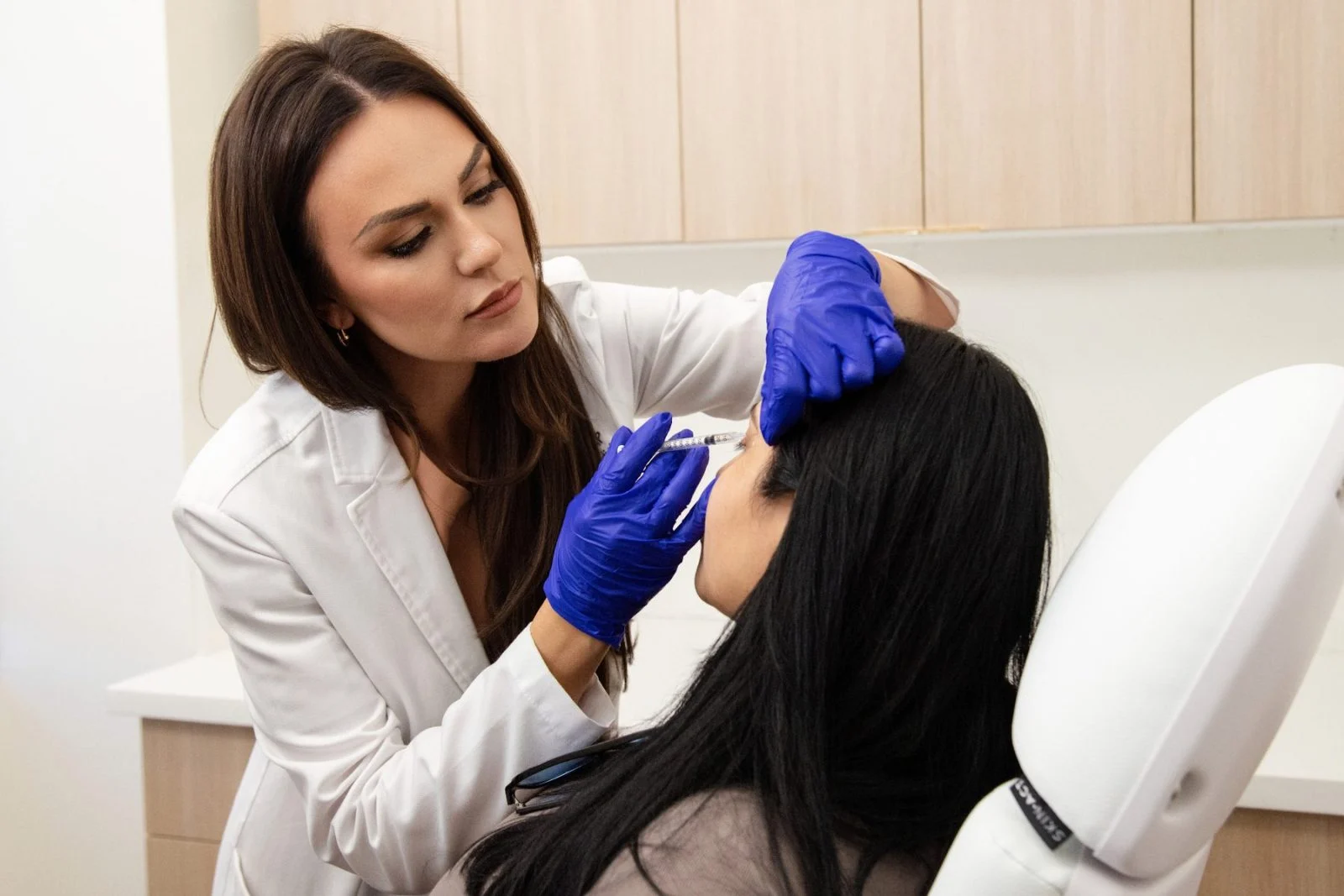
Radiant skin rarely comes down to one product, one appointment, or one miracle device. In practice, it is usually the result of choosing the right treatment for the right concern, then matching it to skin type, downtime tolerance, age, sun exposure history, and long-term goals. That is where Fotona has earned its place. It is a versatile laser platform used for resurfacing, tightening, collagen stimulation, texture refinement, pigment support, and several other aesthetic concerns, depending on the settings and protocols selected.
For patients exploring Fotona Laser Treatments Encino, CA, the appeal is easy to understand. Encino residents often want visible improvement without stepping away from work and social routines for weeks at a time. They also tend to be savvy about skin health. They ask smart questions about how a treatment feels, when makeup can go back on, whether results look natural, and how many sessions it really takes. Those are the right questions to ask.
Fotona is not a single treatment in the way people sometimes imagine. It is more accurate to think of it as a laser system with multiple modes and treatment approaches. A skilled provider can use it conservatively for subtle maintenance or more aggressively for deeper correction. That flexibility matters because a patient dealing with fine lines around the mouth has very different needs from someone trying to soften acne scarring or improve laxity along the jawline.
Why Fotona stands out in real clinical use
A lot of laser conversations become too technical too quickly, or too vague to be useful. The practical reason Fotona remains popular is that it gives providers room to customize. Different wavelengths and delivery methods make it possible to treat superficial and deeper tissue in different ways. In plain language, that means one platform can address multiple layers of the skin rather than relying on a single mechanism.
In a busy aesthetic practice, this matters. Patients rarely come in with just one isolated concern. Someone may want brighter tone, smoother texture, smaller-looking pores, and a little tightening under the chin. Another patient may be focused on etched lines around the eyes but also mention redness, uneven pigment, or crepey skin on the neck. A versatile laser system allows treatment plans to be built around the whole face, and sometimes beyond the face, without forcing a one-size-fits-all approach.
That does not mean every concern is best treated with Fotona. Good laser medicine involves restraint. There are situations where radiofrequency, microneedling, injectables, surgery, or a simpler peel may be more appropriate. The value of Fotona is not that it replaces everything else. It is that it fills an unusually wide range of roles well when selected thoughtfully.
What skin concerns Fotona can help address
The most common reasons people seek Fotona treatments are familiar: dullness, early laxity, rough texture, fine lines, enlarged pores, acne scars, and signs of cumulative sun exposure. Some treatment settings are designed to polish and refresh the surface. Others work deeper to stimulate collagen remodeling over time. Depending on the protocol, the end goal may be a brighter glow before an event, gradual firming across several months, or more visible resurfacing for long-standing textural issues.
In the Encino area, sun exposure is often part of the story. Even diligent sunscreen users accumulate ultraviolet damage over the years, especially if they spend time driving, walking outdoors, exercising, or simply living in Southern California light. This often shows up as uneven pigment, leathery texture, a loss of snap in the skin, or the fine crisscross lines people first notice around the cheeks and under-eyes. Laser treatment can be a useful reset when topical skincare alone is no longer doing enough.
Patients in their late twenties and thirties often come in for maintenance and prevention. They may not have major sagging or deep wrinkles, but they notice that skin no longer rebounds the way it used to. In those cases, a lighter series of treatments can support collagen and improve overall clarity. Patients in their forties, fifties, and beyond may choose more intensive resurfacing or combined protocols when there is more texture, laxity, or long-term sun damage to correct.
The difference between “glow” treatments and true correction
One of the most important distinctions in aesthetic laser care is the gap between treatments that create a fresher appearance and treatments that produce structural change. Both have value. The trouble starts when they are confused.
A gentle laser session can absolutely help skin look smoother, brighter, and more refined. That may be exactly what a patient wants before a reunion, a wedding, or on-camera work. But if someone has moderate acne scars or etched upper lip lines, a low-downtime treatment alone may not create enough change to satisfy them. They need an honest conversation about what degree of improvement is realistic and what level of healing they are willing to accept.
This is where experienced judgment matters more than marketing language. Some providers are very good at matching expectations to treatment intensity. They know when a patient will be thrilled by subtle improvements and when they need a more corrective plan. They also know that “no downtime” often sounds better in theory than it looks in the mirror. Mild redness, dryness, bronzing, and temporary roughness still count as recovery, even if they do not keep someone home.
Common treatment experiences patients ask about
Patients usually want concrete details, not abstract promises. They ask what the appointment feels like, how long they will be pink, and whether friends will notice they had something done. Those answers depend on the treatment depth and target area, but there are some broad patterns.
A lighter Fotona session may feel warm and prickly with minimal interruption to routine. Skin can look flushed for a day or two, then gradually appear more polished. A deeper resurfacing treatment is more involved. It may produce stronger heat, more redness, and a sandpapery healing phase as the skin turns over. That is not necessarily a bad thing. Often, the most meaningful texture improvement requires some visible recovery.
Many patients are surprised by how much variation exists within one platform. They hear the word “laser” and assume a fixed experience. In reality, there is a wide spectrum between a same-week social treatment and a more intensive procedure with several days of healing. This is why consultation matters so much.
What a good consultation should cover
If you are considering Fotona Laser Treatments Encino, CA, a worthwhile consultation should feel specific to you. It should not sound like a memorized pitch. Providers should ask about your skin history, melasma tendencies, recent tanning, cold sores, medications, prior lasers, accutane history, and how much downtime you can actually manage. They should also look at the concern you mention first and the concerns you may not have words for yet, like early laxity at the lower face or textural changes near the temples.
A strong consultation usually covers these points:
- Your main goal, whether that is tightening, resurfacing, brightening, scar softening, or maintenance.
- Your baseline skin type and risk factors, including pigment sensitivity and sun exposure habits.
- The realistic number of sessions or the likely benefit of a stronger single treatment.
- The expected healing timeline, including redness, dryness, flaking, and timing for makeup or exercise.
- The maintenance plan, because laser results improve with follow-up care rather than standing alone.
When consultations skip these details, disappointment is more likely. Patients may assume they are buying a guaranteed transformation when they are really starting a process.
Encino patients often prioritize natural-looking improvement
The aesthetic style in Encino tends to favor refinement over obvious intervention. That does not mean patients want weak results. It means they usually want to look rested, smooth, and healthy rather than overtreated. Fotona fits that preference well when used with restraint. Tightening can be subtle but meaningful. Resurfacing can soften years of roughness without pushing the skin into an artificial finish. Collagen stimulation can improve bounce and firmness gradually, which many patients prefer over sudden change.
This gradual quality can be an advantage. Friends may say you look refreshed, or ask if you changed your skincare, rather than immediately identifying a procedure. For professionals, parents, or anyone visible in the community, that discretion matters.
At the same time, subtlety has limits. A laser cannot create surgical lifting when tissue descent is advanced. It cannot erase every pore or remove deep static folds entirely. Mature, honest aesthetic care means knowing when Fotona Laser Treatments Encino, CA a non-surgical option is enough, when it is supportive but partial, and when another treatment path may fit better.
Recovery is where satisfaction is often won or lost
Most people focus on the day of treatment, but the week after matters more. A beautifully chosen laser plan can still feel disappointing if recovery is not explained properly. Patients need practical guidance. How soon can they wash their face normally? When can they return to workouts? What kind of moisturizer helps most? Is swelling around the eyes normal? Should they expect temporary bronzing before the skin clears?
In real-world practice, the happiest laser patients are usually the best prepared ones. They stock bland skincare ahead of time. They avoid social events if their treatment will leave them red. They understand that collagen remodeling takes time, often several weeks to months depending on the treatment performed. They also know that trying to “speed up” healing with random active ingredients often backfires.
A typical recovery plan often includes a short period of gentle cleansing, rich hydration, vigilant sun protection, and a pause on retinoids, acids, and exfoliants until the skin barrier has settled. The exact timing varies, but the principle is consistent: protect the skin while it repairs itself.
Skin tone, pigment risk, and why customization matters
One area that deserves more attention in public conversations is pigment risk. Not every laser treatment suits every skin tone in the same way, and not every provider has the same level of comfort treating diverse complexions. That does not mean patients with medium or deeper skin tones cannot pursue laser care. It means treatment parameters must be selected carefully and conservatively when needed.
Post-inflammatory hyperpigmentation is a real concern in aesthetic medicine. It can happen when the skin becomes inflamed, especially if aftercare is poor or sun protection slips. This is why a good provider does not rush into treatment after recent sun exposure and does not dismiss questions about melasma or previous pigment issues. If you have a history of discoloration after acne, waxing, or past procedures, say so early. It may influence whether Fotona is the right choice, which settings are safest, or whether skin should be prepped first with topical products.
Thoughtful care is rarely flashy. Sometimes the best decision is staging treatment, going gentler than a patient initially expected, or combining laser with pigment-safe skincare over several months. That kind of pacing often leads to better outcomes than aggressive treatment followed by complications.
Combining Fotona with other aesthetic treatments
A lot of strong aesthetic results come from layering treatments strategically rather than expecting one modality to solve everything. Fotona can pair well with injectables, medical-grade skincare, microneedling, or targeted peels, depending on the concern being treated and the timing between appointments.
Someone with dynamic crow’s feet may use neurotoxin to reduce muscle-driven wrinkling while using laser to improve the skin quality itself. A patient with early jowling might combine collagen-stimulating laser sessions with skincare focused on pigment and barrier support. Another with acne scarring may alternate treatments over time based on tolerance and response. The sequence matters. The skin has to be respected, not overloaded.
This is where experienced planning shows. The best outcomes usually do not come from stacking procedures impulsively. They come from spacing them properly and understanding which issue each tool addresses. Skin texture, muscle movement, volume loss, and laxity are not the same problem, even if they appear together on one face.
Who tends to do well with Fotona
Patients who do best are often realistic, consistent, and open to a plan rather than a single fix. They understand that collagen stimulation is cumulative. They protect their investment with sunscreen. They return for maintenance when appropriate instead of waiting several years and expecting one session to reverse everything at once.
The best candidates often share a few traits:
- They want visible improvement but still prefer a natural look.
- They can follow aftercare carefully, especially around sun avoidance.
- They understand that multiple sessions may be smarter than one overly aggressive treatment.
- They are comfortable discussing their full skin history, including pigment issues or prior procedures.
- They see laser as part of a broader skin health plan, not a substitute for daily care.
That last point matters more than people think. Even excellent laser treatment can be undermined by inconsistent skincare, chronic dehydration of the skin barrier, smoking, or returning too quickly to intense sun exposure.
Cost, value, and what people are really paying for
Laser pricing varies significantly depending on treatment depth, provider expertise, geographic market, and whether a session is part of a package. Patients often focus only on the number attached to the appointment, but value in laser medicine is more complicated than price alone.
A lower-cost session is not always a better buy if settings are too mild for your concern or if the consultation is rushed and aftercare support is thin. On the other hand, the most expensive option is not automatically the most effective. The real question is whether the treatment plan matches your skin and goals. Good value means thoughtful customization, clear expectations, safe technique, and results that justify the healing time and financial investment.
In Encino, where patients have access to many aesthetic options, it is worth paying attention to the quality of the clinical conversation, not just promotional language. Ask what improvement range is typical for your concern. Ask how many sessions people like you usually need. Ask what the provider would choose if you were a family member, not just a prospective booking.
A realistic timeline for results
Immediate post-laser glow is real, but it is only part of the story. Surface improvement may show up quickly as old skin sheds and smoother skin emerges. Tightening and collagen-related changes usually take longer. Patients commonly notice progressive improvement over several weeks, with additional gains after a series or after deeper tissue remodeling has had time to develop.
This slower arc can actually be reassuring. Natural-looking improvement often unfolds in stages. The skin gradually looks more rested, more even, and a little firmer. Pores may appear less prominent. Makeup sits better. Photos become friendlier. These are the kinds of changes that matter in everyday life, even when they are hard to capture in one dramatic before-and-after angle.
Still, timelines need context. A patient addressing early textural change may be delighted after one or two sessions. A patient with long-standing acne scars may need a more extended plan and should be told so upfront. The treatment is only as satisfying as the expectation attached to it.
Choosing wisely in Encino
Seeking Fotona Laser Treatments Encino, CA should feel less like buying a trend and more like starting a tailored skin plan. The right provider will look at your skin in motion and at rest, ask about your lifestyle, consider your pigment risk, and explain whether your goals call for brightening, resurfacing, tightening, or a combination over time. They will not promise surgical results from a non-surgical device, and they will not treat downtime as an afterthought.
Radiant skin has a different meaning for every patient. For one person, it is a smoother forehead and fewer crepey lines near the eyes. For another, it is recovering clarity after years of sun exposure. For someone else, it is feeling comfortable in daylight without heavy makeup. Fotona can be a strong option for each of those goals when used with precision.
The best outcomes are usually not dramatic in a flashy way. They are the kind that make skin look healthier, fresher, and more resilient, as if it is behaving more like itself again. That is a smart standard to keep in mind when evaluating any aesthetic treatment, and it is one reason Fotona continues to hold a respected place in modern skin rejuvenation.
OMNIA Wellness Center
Address: 16430 Ventura Blvd Ste 207, Encino, CA 91436
Phone number: +18183868511
FAQ About Fotona Laser Treatments Encino, CA
What is a Fotona laser good for?
A Fotona Laser system is a versatile, dual-wavelength medical laser used primarily for non-surgical skin tightening, anti-aging rejuvenation, and dermatological treatments.
How much does the Fotona laser cost?
The cost of a Fotona laser depends heavily on whether you are looking to purchase a laser machine for a medical practice or are a patient seeking a laser treatment at a medspa.
Is a Fotona laser worth it?
A Fotona laser treatment is generally worth it if you want non-surgical skin tightening, improved texture, and collagen stimulation with very little downtime.
Corrections
Spot something wrong? Send it to the desk and it gets fixed in the open.